Listening and Learning

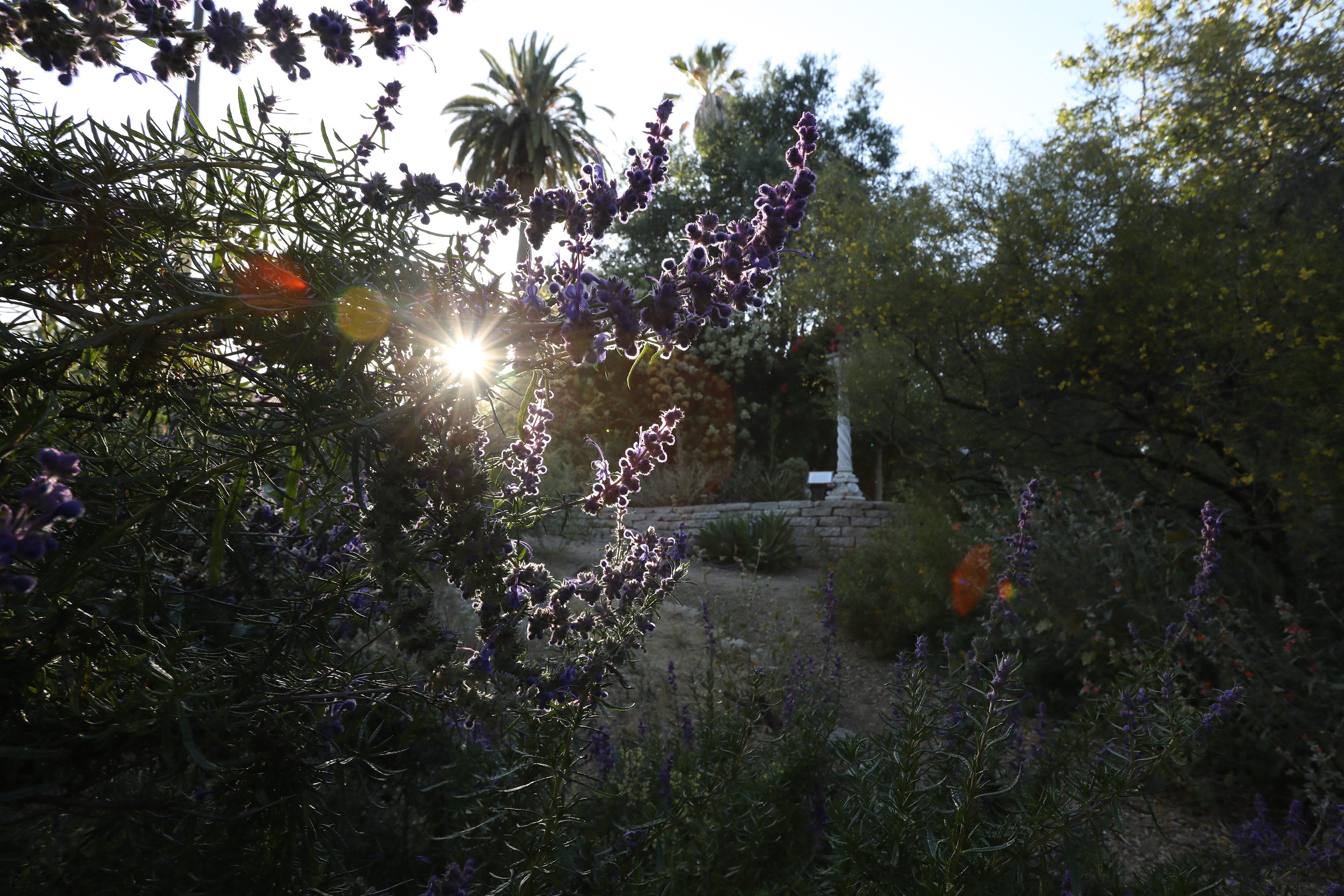
I was just reminded that I have been very delinquent in typing up something for this little newsletter I tend. I have been a bit busy this year, taking on new projects, and trying to get acclimated into some new roles. I have been helping out my local San Gabriel Mountains chapter of the California Native Plant Society and they have invited me to be a board member and do social media for them, and I will probably be helping them out with their annual plant sale this year, as I did last. I’ve never been in a position like this before, so I have to get used to it, especially the formal kinds of meetings, with agendas, and budgets, and rules and motions, and that kind of stuff. But the field trips have started up again, so we can go out in the field and learn from botanists who know much more than I do about all the plants we encounter, while I can just take notes and learn.
The most interesting thing that happened, is that I was hired by Arlington Garden in Pasadena to work as a Garden Ambassador, after volunteering there for the past year or two. The job involves a little bit of gardening, and helping with fundraising, some of which is about selling the marmalade that is produced from oranges that are grown on a small grove in the garden, among other things. We have a tiny staff, so I know I will be doing a lot of different tasks but one of the best things about it is probably that I get to talk with garden visitors.
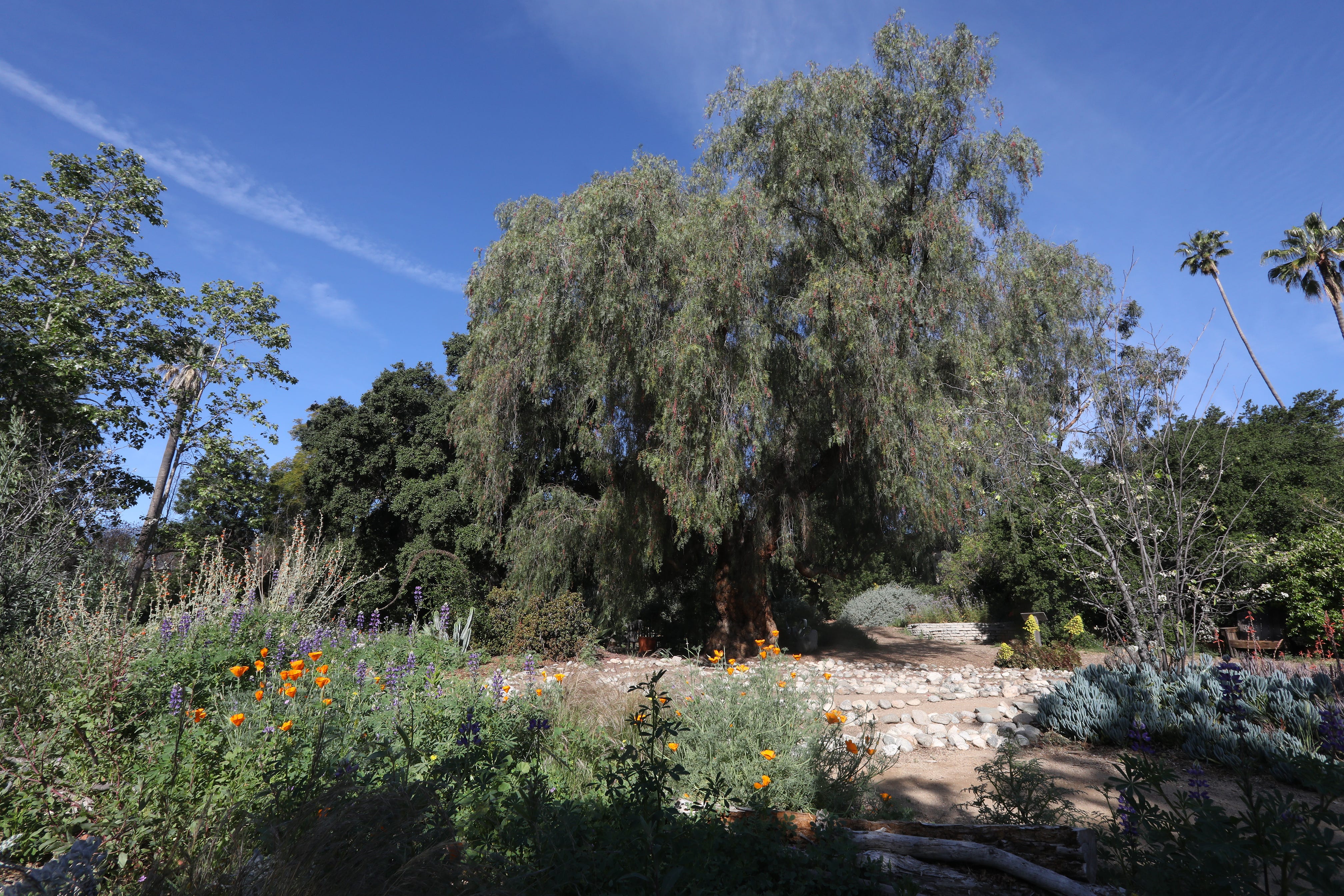
So, Arlington Garden is many things. Today it is run by a non-profit 501(c)3 organization. The land was originally the backyard of an estate on Orange Grove Boulevard in Pasadena, when the street was known as ‘millionaires row,’ but the parcel that the garden now occupies was bought by CalTrans in the 1960s as part of the proposed 710 freeway project, and except for a Jacaranda, two Oaks, a Pepper tree, and some Palms, it remained a vacant lot, until neighbors Charles and Betty McKenney spearheaded an effort to turn it into something else—a space that could be used by the community. So they started to create a garden. This was in the early 2000s, but already today many of the things that were initially planted have taken on a surprisingly mature form.
Today the garden features a large number of California native plants, as well as many climate-appropriate plants for this region, and of course some typical landscaping selections as well. The goal is also to encourage the garden’s role as a habitat for wildlife, but at the same time making it a pleasant place for people. We also host and are available for events, but usually the garden is totally free to anyone who wants to come. So as you can see, there is a fairly substantial story to the garden, and one that may not be apparent when you first visit. So one of my jobs is to try and convey at least some of that story to folks.
Among the staff at the garden, we have some leeway in being able to define our roles, which is of course good and bad. I think you can imagine the negative. The good thing is that it, for instance, allows me to think about some of my goals in regards to writing, and to ask how I can integrate that into this job.
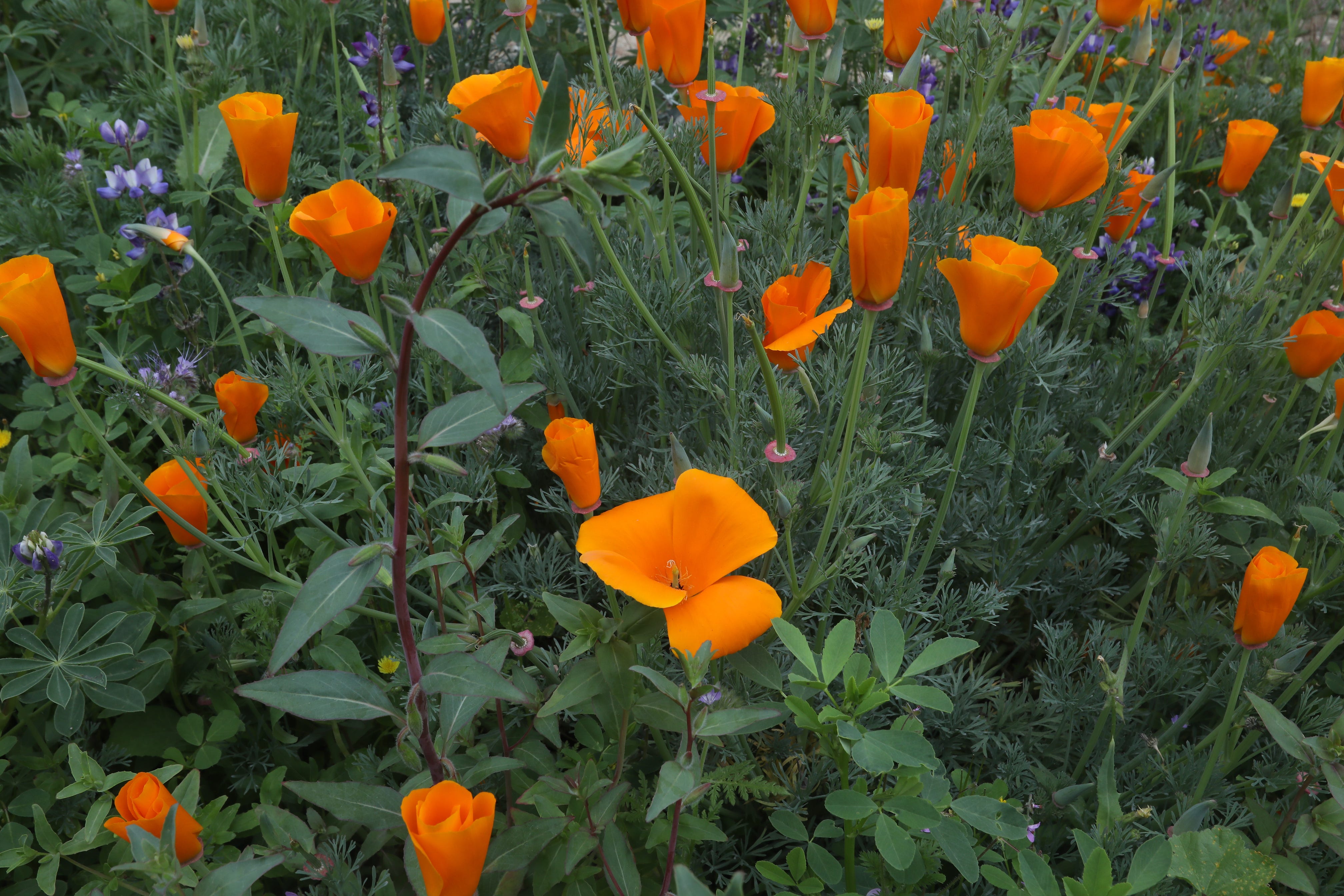
At the garden, I get to talk to people about many things. People ask about the names of plants—sometimes they get inspired to plant things they see in their own gardens. I have had discussions about various kinds of gardening practices. People ask me about irrigation, sometimes in regards to the drought. It’s neat when I’m doing a gardening chore and someone asks me what I’m doing and why. I just have to learn whether they want the short answer or the long one. We get all kinds of folks visiting the garden, from the very local to people from all over LA, California, and even tourists from other countries. Some of our visitors are nature enthusiasts and some of them have never been out of the city, and I may get the chance to speak with any one of them.
So I get to be in this unique space, where I can often consult with experts, like I can literally talk with the people who designed the garden, but also with the people, the public, the community who is utilizing it, which is a great opportunity, and also a special responsibility.
Last year I got my California Naturalist certification and I might write more about that sometime. Naturalists are sometimes explorers, or maybe park rangers, but they can also be educators or journalists. They often serve the purpose of bridging the gap between the scientists and the casual spectators. Docents at museums, for instance, often work in the style of a naturalist. I liked the theory behind it, because naturalists are generalists and interpreters. The idea is to be less didactic. To ask a lot of questions. To listen as much as to teach. That’s one thing I really need to remember, to use this experience to learn as much as I can from our visitors.
Because as much as I have learned, which probably has helped me to get this opportunity, the opportunity is as much the chance to learn from others.